
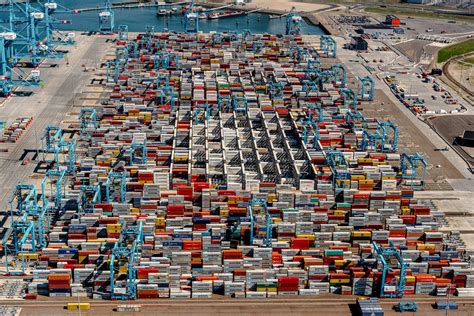
The gradual return of container services to the Suez Canal may increase congestion in Rotterdam as vessels taking the shorter route arrive alongside those still sailing around the Cape of Good Hope. Current forecasts indicate arrivals equivalent to approximately 145% of normal vessel capacity during as from 16 November, putting pressure on terminals, berths and inland connections.
Returning via Suez shortens transit times by approximately seven to ten days, temporarily overlapping with arrivals routed around Africa. Schedule reliability remains poor: industry figures cited in the latest European container market assessment indicate that only 4% of Far East–Europe arrivals were on time in September, with an average delay of 9.9 days.
Shipowners, charterers and cargo interests may face longer berth waits, changed terminal calls, loading and discharge delays, disrupted barge, rail and road connections, and increased demurrage and detention exposure. Missed connections and delivery delays create additional risks for time-sensitive and refrigerated cargoes. Contractual disputes may concern laytime, responsibility for additional costs, and recovery for physical cargo damage or deterioration.
Shipowners, charterers and operators should monitor terminal updates and berth availability, keeping clear records of instructions, notices, delays and additional costs. For time- or temperature-sensitive cargo, particular attention should be paid to reefer monitoring and alternative arrangements during prolonged delays. Further vessel bunching at Rotterdam and other Northern European ports may occur as schedules adjust.
NNPC Correspondents assists shipowners, charterers, P&I Clubs and marine insurers with cargo claims, legal disputes, surveys and maritime incidents in all Dutch seaports, the Dutch part of the North Sea and European inland waterways. For assistance in the Netherlands, NNPC Correspondents is available 24/7.