
The Inspectie Leefomgeving en Transport (ILT) or the Dutch Human Environment and Transport Inspectorate (Shipping Inspectorate) supervises safe and sustainable passenger and freight transport by sea and on inland waterways. Its mission centres on three goals: protecting crews and passengers, preventing damage to ships and infrastructure, and reducing emissions of harmful substances. Its remit is broad, covering international merchant shipping, historic sailing vessels, fisheries, inland shipping, and water taxis.
The ILT presented its annual plan 2027 recently. The plan consists of 54 pages and covers more than shipping only. In this brief article the intentions of the Inspectorate regarding shipping for 2027 are summarized.
The ILT’s core ambition is that rules for safe and sustainable shipping be better complied with, both at sea and on inland waters. Through supervision and certification, it works to strengthen safety management and the safety culture within the sector, and it wants shipping companies to continue actively reducing harmful emissions.
To achieve this, the ILT processes reports of incidents and accidents and issues permits, including maritime liability certificates. Due to capacity shortages, permits are, where responsible, issued on the basis of applicants’ “self-assessments”; in 2027 the ILT will investigate how the quality of these self-assessments can improve. The ILT is also optimising the digital issuance of merchant shipping certificates. A 2026 pilot introduced digital certificates of competency, delivered by certifying body Kiwa through a personal app that inspectors can verify on their phones, an approach that puts the Netherlands ahead of international guidelines. In 2027, together with the ministry and Kiwa, the pilot will be expanded.
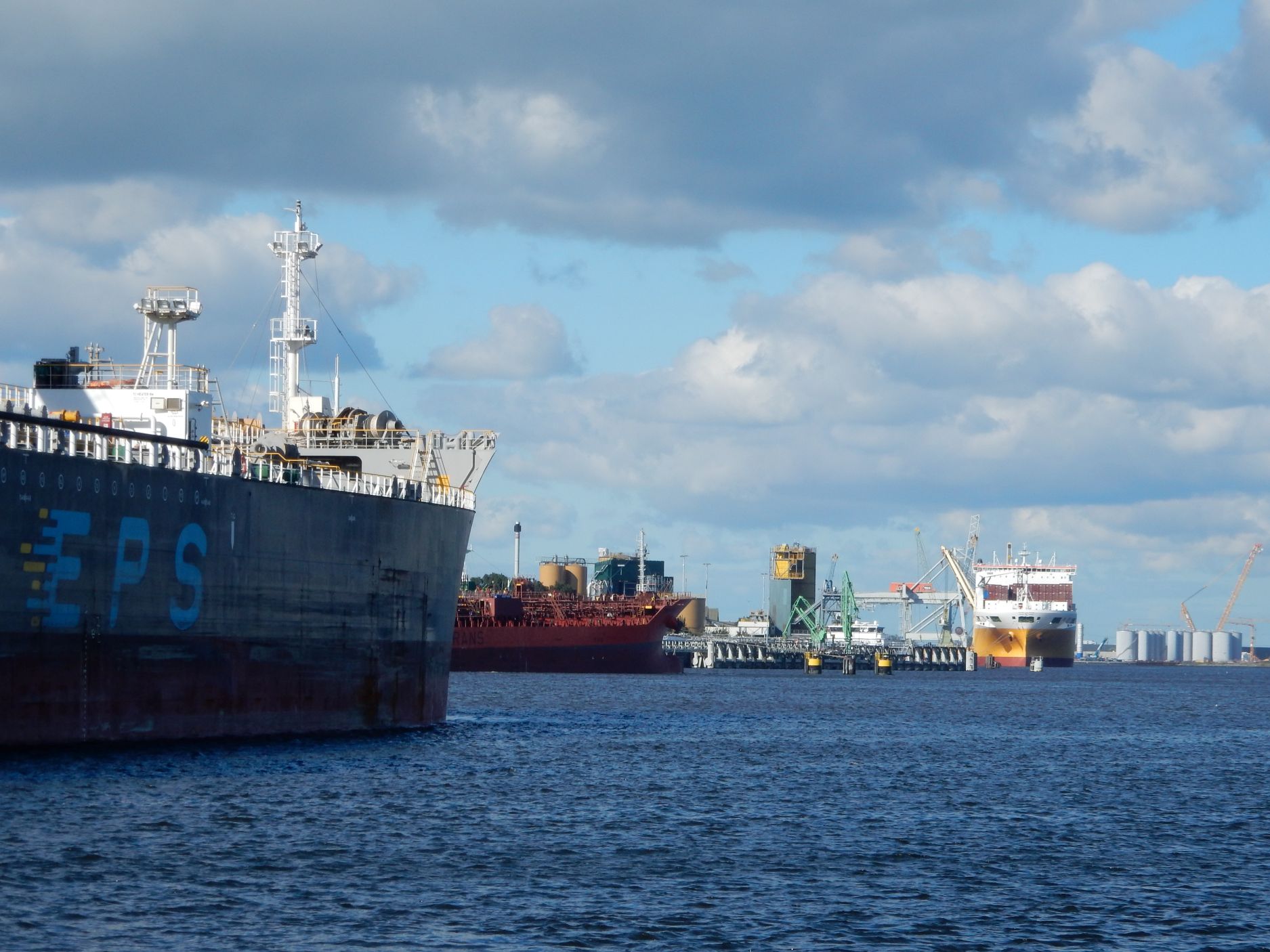
In 2027 the ILT will inspect seagoing and inland vessels. Foreign ships in Dutch ports are checked under port state control, based on international and European rules, focusing on safety, the environment, working conditions, and compliance with international maritime law. As a Paris MoU member, the Netherlands must annually perform its “fair share” of inspections, determined by Paris MoU risk analysis. In 2027 that fair share will probably not be met, partly because of new tasks such as monitoring the shadow fleet and partly because changed Dutch labour regulations reduce inspection capacity. In addition, remote surveys are used to monitor compliance with the Maritime Labour Convention. Dutch ships are inspected under flag state control, -covering safety, environmental, working-condition, and crew regulations-, to keep the Dutch flag registry safe, sustainable, and leading.
On emissions, the ILT checks sulphur content in fuels for ships and mobile equipment, and promotes better-quality bunker oil. Actual NOx emissions from marine engines at sea are higher than factory tests indicate, and there is international agreement that the rules must be adjusted. The ILT contributes to shaping this reform. The ILT also licenses and supervises organisations protecting merchant ships under the Ship Protection Act, addressing piracy risks in certain regions.
For inland shipping, the ILT wants to further develop its AI risk model in 2027 so that oversight partners can use it too, creating a shared view of key risks. It is also structurally improving the inland shipping system and increasing supervision effectiveness, using electronic vessel positioning, drones, “sniffing poles” to measure vapour venting while underway, and an AI model using satellite data to detect offshore ship emissions, evidence that will support the push for stricter international legislation.
Together with the Ministry of Infrastructure and Water Management, the ILT forms the Netherlands Maritime Authority (NLMA), which aims to keep the Dutch flag synonymous with high quality and make the Netherlands an international frontrunner in maritime services and innovation. Its 2027 focus includes alternative fuels and autonomous sailing. Finally, the ILT expects to complete the Dutch implementation of the European Hull Database, which is a single central digital database of inland vessel certificates in 2027.
If you have questions regarding inspections or need assistance, please do not hesitate to contact us: E correspondents@nnpc-correspondents.nl / T +31.854833121.