
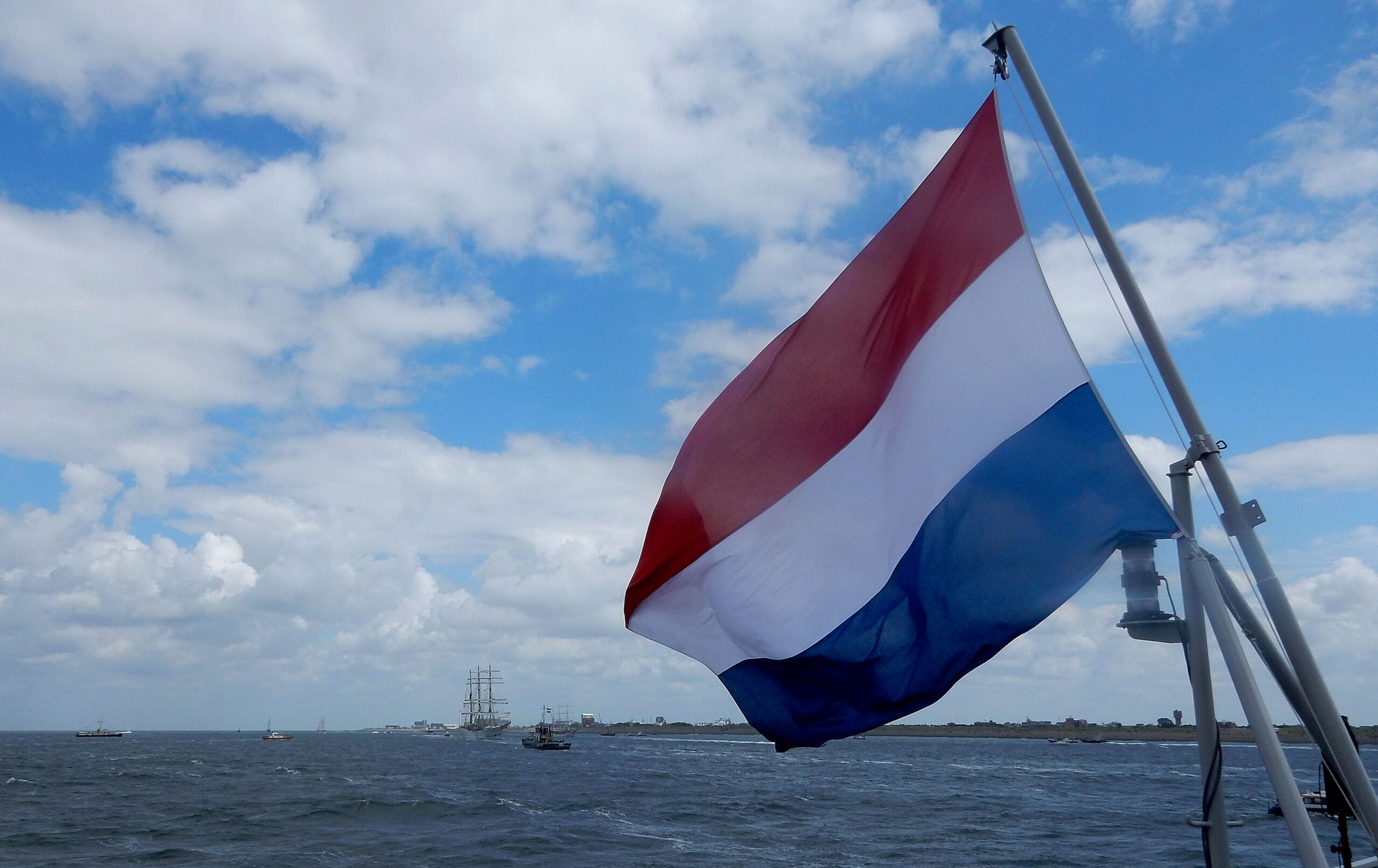
The Dutch government is modernizing the Shipping Act (“Schepenwet”) of 1909, a key piece of legislation that has long governed maritime safety for vessels flying the Dutch flag or those of the Kingdom of the Netherlands.
On February 3, 2026, the Senate (“Eerste Kamer”) approved amendments to update the law, aligning it with current practices, international standards, and the realities of modern shipping. The Shipping Act provides the legal framework for professional shipping under the Dutch or Kingdom flag, covering safety requirements, responsibilities of captains and shipowners, working conditions onboard, accident prevention, and investigations into maritime incidents. The updates aim to enhance enforcement and clarity, particularly for vessels registered in the Caribbean parts of the Kingdom.
main changes
Key changes include:
- Administrative fines: The Human Environment and Transport Inspectorate (ILT) can now impose direct administrative penalties for minor violations, bypassing the need to refer cases to the Public Prosecution Service in every instance. This streamlines enforcement for smaller infractions. The maximum fine has been raised from €11,250 (set in 1998) to €22,500 to account for inflation. Data from the ILT and Public Prosecution Service indicate limited use of enforcement under the old law—only 10 cases between 2022 and 2024—and fines are not expected to be frequent, with warnings and corrective actions often sufficient to improve onboard safety.
- Accident investigations: The revised law explicitly authorizes the shipping inspectorate to conduct formal investigations following incidents or near-misses at sea. This clarifies responsibilities, information-gathering powers, and the use of findings, focusing on learning lessons to prevent future accidents and boost overall maritime safety.
- Implications for the Dutch Caribbean islands: The update brings greater uniformity and clarity for vessels registered in Aruba, Curaçao, and Sint Maarten. Previously, applicability and enforcement of certain rules for these Caribbean-registered ships were unclear or difficult to implement. Only Curaçao maintains an international flag register compliant with global agreements; ships under Aruban or Sint Maarten flags currently operate contrary to international conventions in some respects.
improvements
The updated law ensures consistent safety standards, inspections, investigative powers, and penalty options across all Dutch-registered vessels, regardless of registration location in Europe or the Caribbean. This facilitates easier oversight and enforcement by the authorities and supports improved safety for all involved. The amendments are expected to take effect following official publication in the “Staatscourant” (official publications), though no specific in-force date has been announced yet.