
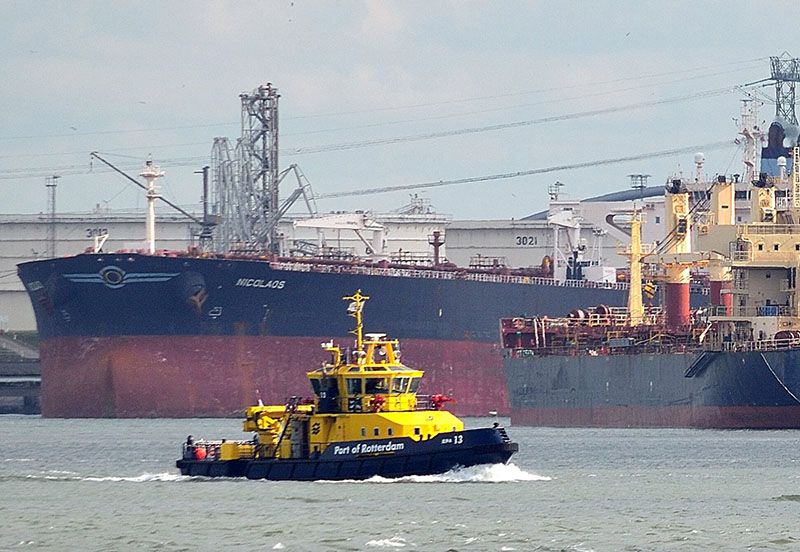
The Port Vision 2050 was recently presented in Rotterdam.
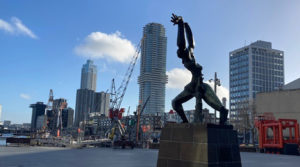 The Port Vision 2050 outlines Rotterdam’s ambition to become the most competitive, sustainable, and resilient port in Europe by 2050. The vision focuses on making the port climate-neutral and a major contributor to the circular economy, while ensuring it remains a safe, innovative, and indispensable hub for the economy and strategic autonomy. Key elements include:
- Climate Neutrality & Circular Economy: The port aims to be climate-neutral by 2050 and to play a significant role in the circular economy, leveraging its strong industry clusters and inland connections to maintain supply and energy security.
- Public-Private Partnerships: Realizing this vision requires intensive collaboration between the Port of Rotterdam Authority, the Municipality of Rotterdam, national and regional governments, businesses, knowledge institutions, and residents.
- Investment Climate: An attractive investment climate is crucial, with a focus on competitive energy costs, infrastructure upgrades, workforce development, and solutions to land constraints.
- Resilience & Innovation: The port will adapt to global risks and technological changes, such as digitalization and new transport concepts, to enhance competitiveness and sustainability.
What does the Rotterdam Port Vision 2050 mean for visiting ships?
- Sustainability and Climate Neutrality
- Ships will need to meet stricter environmental standards, such as using cleaner fuels (like hydrogen, green ammonia, or biofuels) and connecting to shore power while docked to reduce emissions.
- The port aims to be CO₂-neutral by 2050, so ships not meeting these requirements may face additional costs or restrictions.
- Digitalization and Innovation
- Ships are expected to use digital systems for more efficient logistics, such as real-time data sharing and automation, which can reduce waiting times and improve throughput.
- New technologies, including artificial intelligence and smart port processes, will speed up and enhance the safety of ship handling.
- Circular Economy
- Ships contributing to the circular economy (for example, by transporting recycled or reusable materials) may receive priority or financial incentives.
- The port aims to become a hub for the storage and transshipment of circular raw materials, offering new opportunities for ships carrying these cargoes.
- Safety and Resilience
- Additional investments will be made in safety measures and crisis response, such as cybersecurity, natural disaster preparedness, and geopolitical risk management. Ships may need to comply with new safety protocols.
- Competitive Position and Costs
- The port intends to maintain an attractive investment climate, with competitive port fees and efficient services, ensuring Rotterdam remains a top destination for ships despite stricter requirements.
In summary
Visiting ships will face higher sustainability standards, increased digitalization, and new opportunities within the circular economy, but also a port committed to remaining safe, innovative, and competitive.
Source: Municipality and port of Rotterdam.