
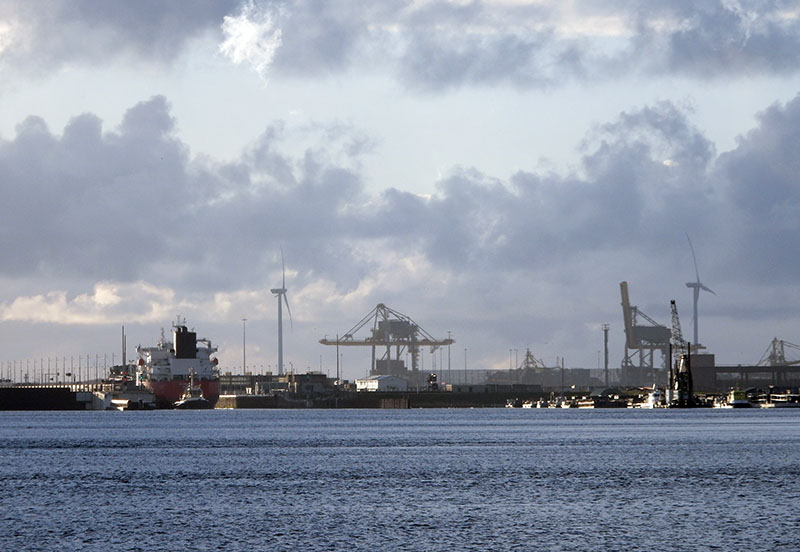
Several important developments are expected in the Netherlands and Europe in 2026 in the field of shipping, in terms of commercial developments, sustainability, innovation and infrastructure. We mention few of the most important items.
International emission label for inland shipping
An internationally harmonised emission label for inland shipping is expected to be introduced in 2026. This label should contribute to the climate targets for climate-neutral maritime and inland shipping by 2050. The Netherlands is playing a pioneering role in this, together with other member states of the Central Commission for the Navigation of the Rhine (CCNR) and the European Committee for drawing up standards in the field of inland navigation (CESNI).
Electric inland shipping
The Netherlands is at the forefront of the introduction of electric inland vessels, such as the m/s “Den Bosch Max Groen”, which uses interchangeable batteries. This system ensures zero-emission transport and is supported by large companies such as Heineken. The aim of the company that operates the ship is to have more vessels operating with this system by the end of 2026.
Budget increase for maintenance and renewal
The budget for maintenance and renewal of the main waterway network in the Netherlands will increase significantly to 905 million euros in 2026, an increase of 155 million compared to 2025. This should improve the navigability and safety of Dutch waterways.
Closures and works
Major closures are planned, such as the lock at the Algerabrug bridge over the Hollandsche IJssel, which will be closed for twelve weeks from 27 July 2026 for maintenance works.
Declining volumes
The shipping sector is facing declining volumes due to declining industrial activity and changing trade patterns. Demand for raw materials and bulk goods is expected to decline.
Container transhipment may still grow. The introduction of a lorry toll in mid-2026 could affect the competitive position of inland shipping.
Digitisation
The Dutch seaports, particularly Rotterdam and Amsterdam, are focusing heavily on digitisation and automation. In collaboration with the Ministery of Infrastructure and Water Management, systems will be tested and implemented to provide real-time information on the navigation or lock passage of a specific ship. AI-driven planning tools will be increasingly used in ports and logistics chains. AI will undoubtedly also be further developed to increase safety and efficiency in Dutch seaports.
Geopolitics
Geopolitical developments will continue to have a major impact on shipping in 2026, particularly in areas such as the Middle East and the Red Sea. The South China Sea and the Northern Sea Routes will also continue to be affected by issues of security uncertainty. Levies and customs tariffs, which are also used as instruments in global power politics, will undoubtedly influence trade flows and, consequently, shipping.
In recent years, NNPC Correspondents has built up a position as a P&I Correspondent in Dutch ports and on and around European waterways. February 2026 will mark NNPC Correspondents’ fifth anniversary. In the coming years, NNPC Correspondents will continue to be on call 24/7 to advise and assist P&I Clubs, maritime insurers, shipowners, charterers and other parties in shipping and logistics.
As local Correspondent in the Netherlands and Europe we will continue to follow relevant developments, such as described above, to be able to continue advising and assisting our principals